


Learn More About Electric Vehicles
Learn More About Electric Vehicles | Toyota of Lompoc
Are you thinking about switching to hybrid or all-electric driving? Great news. The Toyota lineup at Toyota of Lompoc gives you several options to reduce your gasoline consumption, including hybrids, plug-in hybrids (PHEV), and fully electric vehicles (EVs). Each uses electric power differently, and understanding how they work and what distinguishes them will help you decide which one belongs in your driveway.
Let our experienced team help you explore your options and select the ideal model based on your driving habits, lifestyle, and access to charging. From your commute to work near Lompoc to longer trips along the Central Coast, the Toyota lineup features electrified vehicles for nearly every lifestyle.
Understanding the Three Types of Electrified Vehicles
The term 'electric vehicle' comprises several powertrain types. Traditional hybrids use gasoline and electric power and don't require charging. Plug-in hybrids (PHEVs) can run on short-range electric power or the gasoline engine and recharge from an external power source. Fully electric vehicles (EVs) run entirely on battery power and must be plugged into an external power source.

Hybrid Electric Vehicles (HEVs)
Traditional hybrids use a gasoline engine and an electric motor to improve fuel efficiency. Their batteries recharge automatically through regenerative braking and the gasoline engine, so they don't need external charging.
It's a practical starting point for drivers who want low-maintenance, electrified driving. Just fill the gas tank as usual, and the hybrid powertrain takes care of the rest.
- Toyota Corolla Hybrid
- Toyota Corolla Cross Hybrid
- Toyota Camry
- Toyota Prius
- Toyota RAV4
- Toyota Crown
- Toyota Crown Signia
- Toyota Highlander Hybrid
- Toyota Grand Highlander Hybrid
- Toyota Sienna
- Toyota 4Runner i-FORCE MAX
- Toyota Land Cruiser
- Toyota Tacoma Hybrid
- Toyota Tundra i-FORCE MAX
- Toyota Sequoia
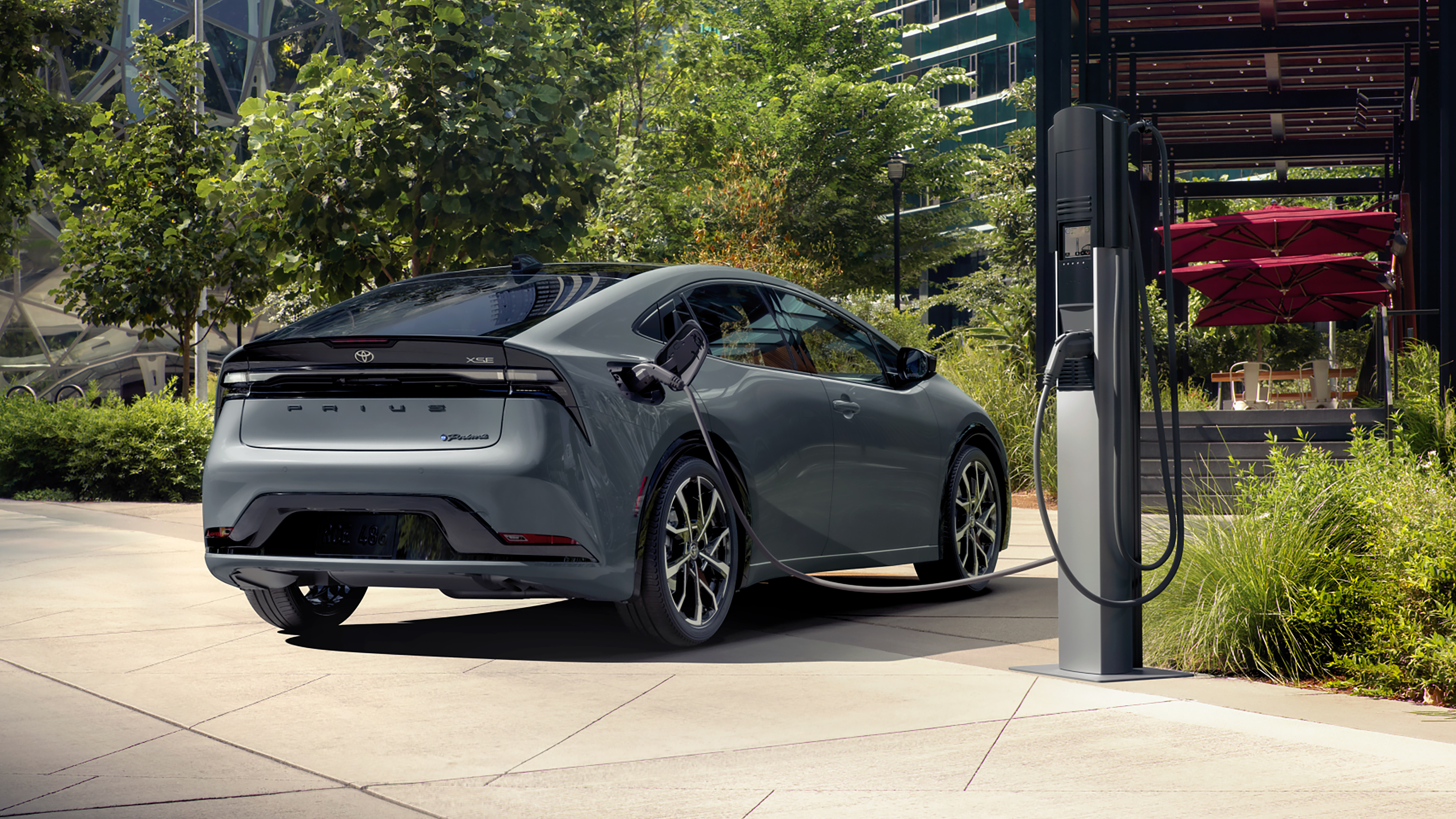
Plug-In Hybrid Electric Vehicles (PHEVs)
Plug-in hybrids have larger batteries than traditional hybrids, letting them travel farther on electricity alone. Recharge the battery at home or at a public charging station, making them a practical option for daily commutes through Goleta. Once the electric driving range is depleted, the vehicle operates as a conventional hybrid using gasoline and electric power.
- Toyota Prius Plug-in Hybrid: Up to 44 miles of all-electric range.
- Toyota RAV4 Plug-in Hybrid: Up to 52 miles of all-electric range.
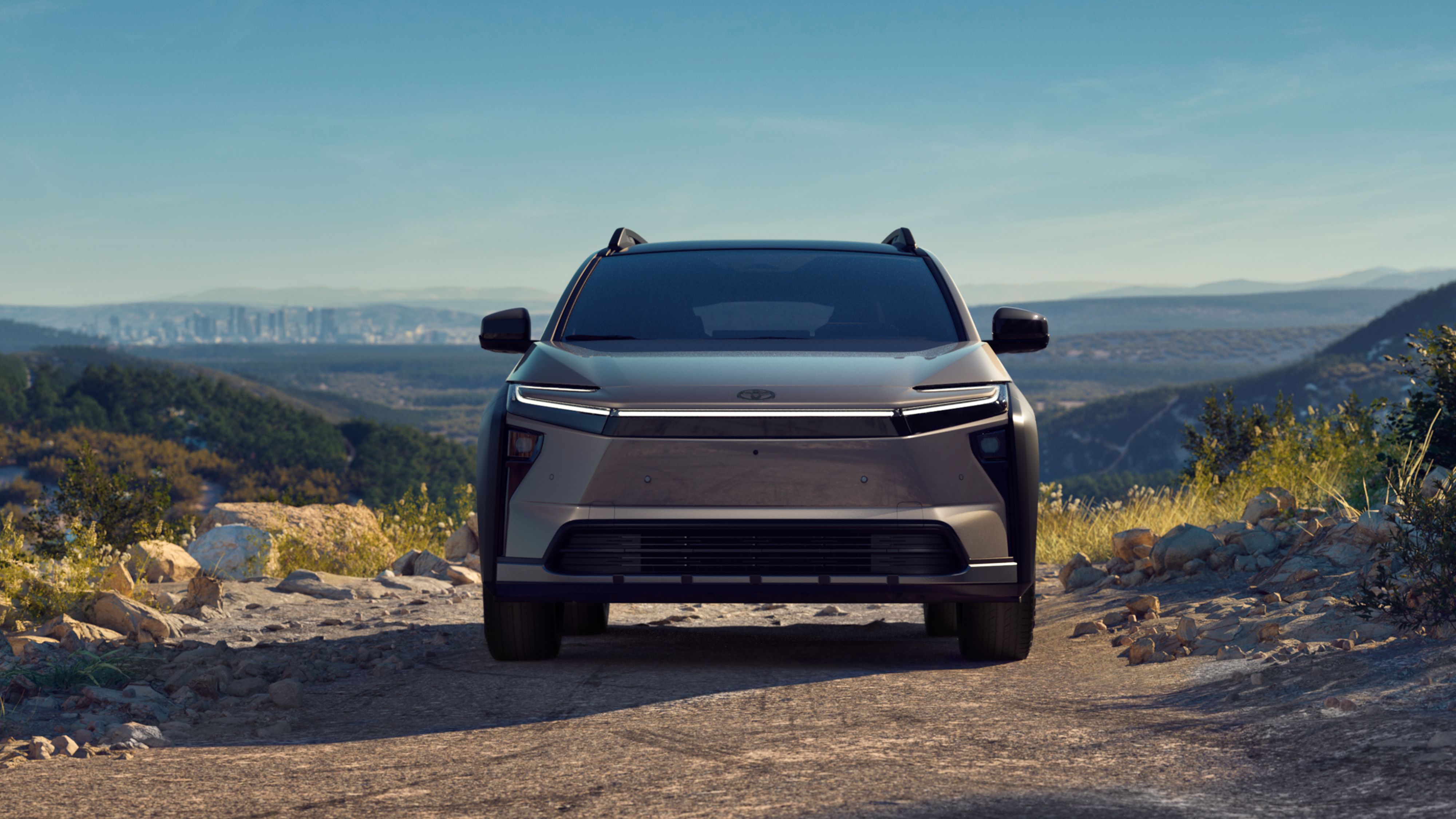
Fully Electric Vehicles (EVs)
Fully electric vehicles run entirely on battery power, eliminating the need for gasoline. You can charge at home or use compatible public charging stations, including DC fast chargers for longer trips.
Toyota's 2027 all-electric lineup includes three SUVs with different driving ranges and performance features:
- 2027 Toyota bZ: Up to 314 miles of EPA-estimated range, with front-wheel drive (FWD) or available all-wheel drive (AWD).
- 2027 Toyota bZ Woodland: Up to 281 miles of EPA-estimated range, standard AWD, 375 horsepower, and 8.4 inches of ground clearance.
- 2027 Toyota C-HR: Up to 287 miles of EPA-estimated range, standard AWD, and 338 horsepower.
Hybrid vs. Plug-In Hybrid vs. Electric: Quick Comparison
Hybrid Electric Vehicles (HEVs)
- Gasoline engine: Yes
- Electric motor: Yes
- External charging: No
- Electric-only driving: Limited to short distances under certain conditions
- Gas station visits: Required
- Best for: Everyday fuel efficiency without plugging in
Plug-In Hybrid Electric Vehicles (PHEVs)
- Gasoline engine: Yes
- Electric motor: Yes
- External charging: Yes
- Electric-only driving: Yes, limited range before switching to hybrid operation
- Gas station visits: Required as needed
- Best for: Shorter trips on electricity and longer drives using gasoline
Fully Electric Vehicles (EVs)
- Gasoline engine: No
- Electric motor: Yes
- External charging: Required
- Electric-only driving: 100%
- Gas station visits: None
- Best for: Gas and emissions-free driving with convenient access to home or public charging
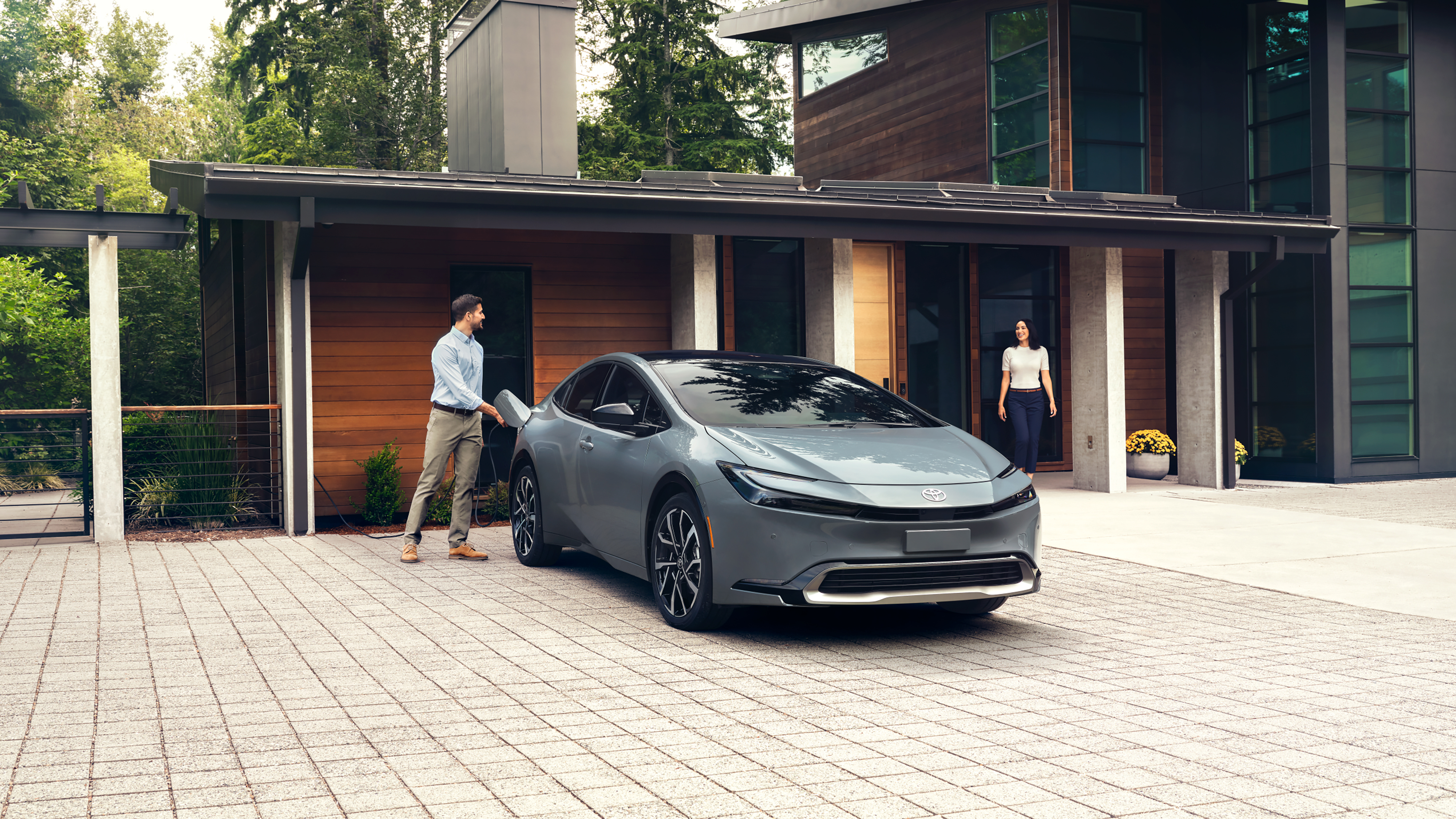
How Do You Charge an Electric Vehicle?
Electric vehicles and plug-in hybrids can charge at home or at public stations. Charging speed depends on the equipment, battery, and vehicle.
- Level 1: Uses a standard 120-volt outlet and adds approximately 2-5 miles of range per hour. Best for plug-in hybrids and shorter commutes.
- Level 2: Uses a 240-volt connection and adds approximately 10-30 miles of range per hour. A popular choice for overnight home charging.
- DC Fast Charging: Available at compatible public stations, charging from 10 to 80 percent in as little as 30 minutes for the Toyota.
Fast charging can help on longer trips from Vandenberg AFB to Santa Barbara, especially if you want to recharge during a meal or scheduled stop.
What Is EV Range Anxiety?
Range anxiety is the concern that an EV's battery will run low before reaching a charging station.
Modern electric vehicles display estimated remaining range, battery charge levels, and other information to help you plan ahead. Still, several factors influence how far you can travel:
- Highway speeds: Sustained high-speed driving generally consumes more electricity.
- Terrain: Steep climbs require additional energy, although regenerative braking can recover some energy downhill.
- Weather: Extreme temperatures and climate-control use can reduce driving range.
- Cargo and passengers: Additional vehicle weight increases energy consumption.
- Driving habits: Hard acceleration and frequent high-speed travel use more battery power.
Drivers traveling through Santa Ynez can plan charging stops in advance, especially for longer routes through rural areas with fewer public charging stations.
The Toyota bZ also supports compatible public charging networks, including participating Tesla Superchargers, through its North American Charging System (NACS) port.
EV Ownership Costs and Maintenance
Owning an electric vehicle can mean spending less on fuel and routine maintenance. For drivers commuting from Buellton, the potential savings depend on how many miles they drive, local electricity rates, and where they charge. Home charging generally costs less than using public DC fast chargers.
Electric vehicles also have fewer mechanical components to maintain than gasoline-powered vehicles. Here's what to expect:
- Lower maintenance requirements: No engine oil changes, spark plugs, timing belts, or exhaust system repairs.
- Less brake wear: Regenerative braking helps slow the vehicle, reducing wear on conventional brake pads.
- Regular maintenance: Tire rotations, brake inspections, cabin air filter replacements, and other scheduled services are still necessary.
- Battery longevity: EV batteries gradually lose capacity over time, although Toyota provides an eight-year/100,000-mile warranty on eligible electric drivetrain components, including the traction battery.
Comparing your current gasoline and maintenance expenses against expected charging costs can help you determine the potential long-term savings of switching to an EV.
FAQs
No. Traditional Toyota hybrids recharge their batteries automatically through the gasoline engine and regenerative braking.
Yes. A Toyota plug-in hybrid will continue running using gasoline after its usable electric-only range is depleted. Regular charging helps maximize all-electric driving.
Toyota provides a 10-year/150,000-mile hybrid battery warranty, whichever comes first, on eligible newer models. The Toyota bZ traction battery falls under its EV component warranty of eight years or 100,000 miles. Battery lifespan depends on age, usage, and environmental conditions.
Explore New Hybrid and Electric Vehicle Inventory at Toyota of Lompoc
Browse our new Toyota hybrid and electric vehicles online to compare the different electrified powertrains, body styles, and features.
Visit our Toyota of Lompoc showroom and explore the Toyota electrified lineup, discuss charging requirements, and schedule a test drive.
How can we help?
* Indicates a required field
-
Toyota of Lompoc
203 East Ocean Avenue
Lompoc, CA 93436
- Sales: 805-736-1295
Loading Map...
